

Commercial properties take a lot of abuse from daily traffic. Employees walk in and out, customers arrive throughout the day, delivery vehicles come and go, parking areas collect oil and tire residue, and sidewalks are exposed to dust, dirt, food debris, leaves, and weather.
In Southern California, the dry climate adds another layer to the problem. Dust settles quickly on hard surfaces, while irrigation, seasonal rain, landscaping, and shaded areas can create conditions where stains and organic buildup become more noticeable.
For property owners and managers, the question is not simply whether a building needs pressure washing. It is how often the property should be cleaned to keep the exterior presentable without paying for unnecessary service.
There is no universal schedule for every commercial property. The right frequency depends on the type of business, amount of foot traffic, surrounding conditions, surface material, and the appearance standard you want to maintain.
Most Commercial Properties Need More Than One Cleaning Per Year
For many commercial properties, annual pressure washing is not enough.
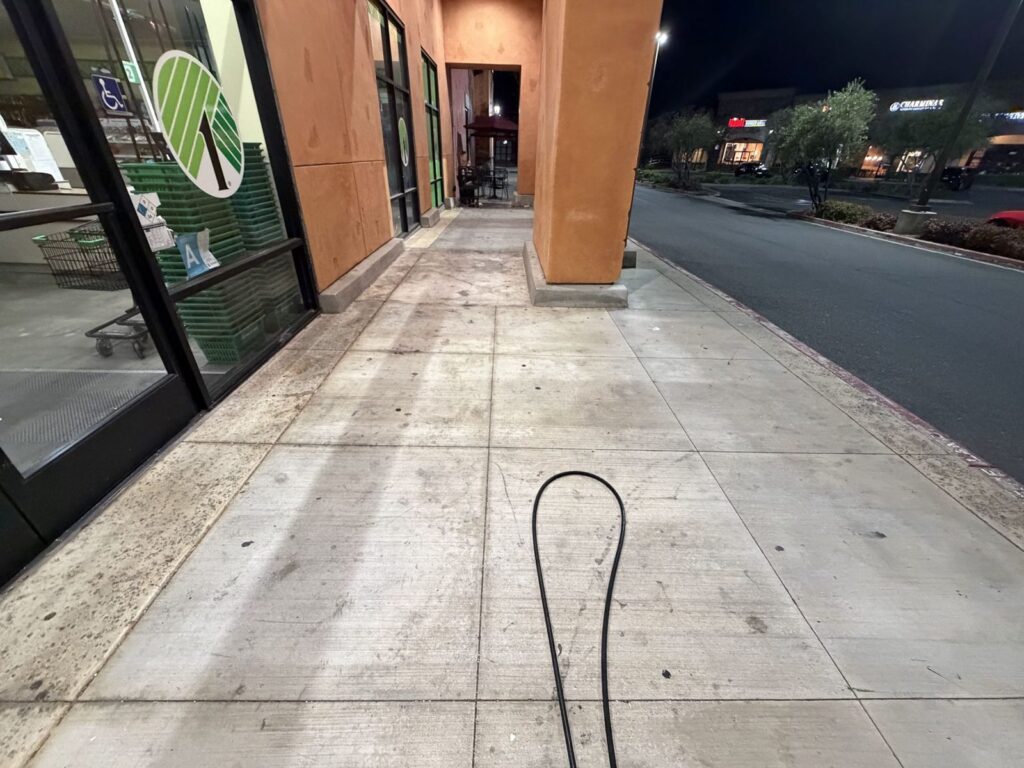
A property may look acceptable immediately after a thorough cleaning, but outdoor surfaces continue collecting dirt from the moment the equipment leaves. Busy entrances can become visibly dirty much faster than areas that receive little traffic.
A practical starting point for many commercial properties is professional exterior pressure washing two to four times per year.
That does not mean every property needs four full cleanings.
Some locations may need quarterly service, while others can go longer between visits. The important thing is to build a schedule around how quickly the property becomes visibly dirty.
High-Traffic Businesses May Need More Frequent Cleaning
A retail center with constant customer traffic will generally need more attention than a quiet office building.
The same applies to restaurants, shopping areas, medical facilities, and properties with busy parking lots.
You may need more frequent cleaning when the property has:
- Heavy pedestrian traffic
- Multiple business tenants
- Frequent deliveries
- High vehicle activity
- Outdoor dining areas
- Public-facing entrances
- Large parking areas
- Sidewalks connected directly to busy streets
These areas are exposed to more contaminants every day, so a once-a-year cleaning can leave the property looking neglected for long periods.
For high-traffic locations, quarterly pressure washing is often a sensible maintenance schedule. Some particularly busy areas may need targeted cleaning between full-service visits.
Retail Properties Need to Look Clean Every Day
Retail customers notice exterior conditions before they enter the building.
A dirty sidewalk, stained entrance, gum-covered concrete, or dark parking area can create an impression that the property is not being maintained properly.
For shopping centers and storefronts, pressure washing is often less about occasional restoration and more about maintaining presentation.
Busy retail locations may benefit from:
- Quarterly sidewalk cleaning
- Regular entrance cleaning
- Periodic parking lot washing
- Spot treatment for oil and gum
- Additional cleaning before major events or seasonal promotions
The exact schedule depends on traffic and the property’s appearance, but waiting until the concrete looks heavily neglected usually means the cleaning job will be more involved.
Restaurants Often Need a Different Schedule
Restaurants can generate exterior cleaning needs much faster than many other commercial businesses.
Grease, food residue, spills, customer traffic, and waste collection areas can all contribute to buildup. Entrances and sidewalks can also become dirty quickly because of constant foot traffic.
A restaurant may require monthly or more frequent cleaning for specific high-use areas, while less exposed exterior surfaces can follow a longer schedule.
Parking areas and entrances deserve particular attention because these are the areas customers see immediately.
A good maintenance plan can separate frequent high-priority cleaning from less frequent general exterior washing.
Office Buildings Can Often Follow a Longer Cycle
Office properties typically have a different cleaning pattern.
A building with moderate weekday traffic and limited public access may not need the same pressure washing frequency as a shopping center or restaurant.
For many office properties, a quarterly or semiannual exterior cleaning schedule can be reasonable, depending on the condition of the building and surrounding surfaces.
The schedule may need to increase when:
- The property is near a busy roadway
- Landscaping creates heavy debris
- Parking areas show oil or tire buildup
- The building has shaded walkways
- Tenants receive frequent deliveries
- The property is preparing for an inspection, event, or renovation
The goal is to keep the property consistently presentable without cleaning areas that do not actually need attention.
Parking Lots Usually Need Regular Maintenance
Parking lots are among the hardest-working surfaces on a commercial property.
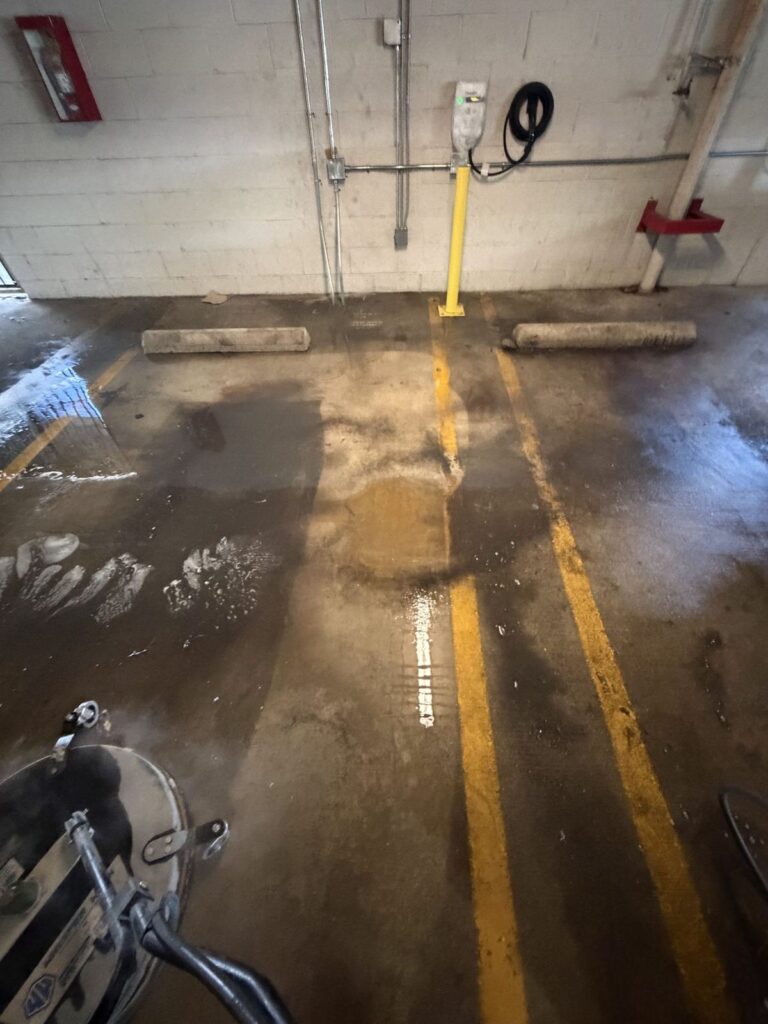
Vehicles bring in dirt, oil, mud, tire residue, and other contaminants. High-use areas can become visibly stained even when the rest of the property still looks relatively clean.
A parking lot should usually be inspected regularly rather than assigned a rigid once-a-year cleaning date.
Pay attention to:
- Oil spots
- Tire marks
- Heavy dirt accumulation
- Debris around curbs
- Darkened concrete or asphalt
- Staining near dumpsters
- Dirt collecting along drainage areas
For busy commercial properties, quarterly cleaning can help keep the parking area from reaching the point where stains become deeply established.
Sidewalks and Entrances May Need Attention More Often
There is a big difference between cleaning an entire commercial property and cleaning the areas customers use every day.
A sidewalk next to a storefront may need attention every few months, while a low-traffic side of the building might only need seasonal cleaning.
This is why a smart commercial maintenance plan can divide the property into high-priority and low-priority areas.
High-priority areas might include:
- Main entrances
- Storefront sidewalks
- Customer walkways
- Loading areas
- Outdoor seating areas
- Parking lot entrances
These surfaces affect the appearance of the property most directly and often benefit from more frequent service.
Southern California Weather Can Influence the Schedule
Southern California does not have the same weather pattern throughout the year, and exterior cleaning needs can change with the seasons.
Dry periods can leave dust and fine debris on concrete and building surfaces. Seasonal rain can wash debris across parking areas and sidewalks, leaving new staining behind. Landscaping and irrigation can contribute additional moisture and organic residue.
Properties in areas such as Ontario, Chino, Eastvale, Rancho Cucamonga, Pasadena, Brea, and surrounding communities can experience different cleaning requirements based on traffic, landscaping, nearby roads, and property layout.
A property located next to a busy road may collect grime faster than one in a quieter commercial area. A shopping center surrounded by mature landscaping may deal with more leaf and organic debris.
The location matters, but the individual property matters even more.
Do Not Wait Until the Property Looks Dirty
One of the biggest mistakes commercial property managers make is waiting for obvious buildup before scheduling cleaning.
By that point, dirt may have become deeply embedded, stains may require additional treatment, and the overall project may take longer.
Routine cleaning is usually easier to manage than trying to restore a heavily neglected property.
There is also a business advantage.
A maintained commercial property gives customers, tenants, employees, and visitors the impression that the site is actively cared for. Clean entrances and walkways can make the property feel more organized and professional.
How to Build a Commercial Pressure Washing Schedule
Start by identifying the surfaces that matter most and how quickly they become dirty.
A simple maintenance plan might look like this:
- High-traffic retail property: quarterly or more frequent service
- Restaurant exterior: monthly attention for high-use areas, with broader cleaning as needed
- Office property: two to four times per year
- Smaller commercial building: two to three times per year
- Busy parking lot: quarterly inspection and cleaning as needed
- Low-traffic areas: seasonal or condition-based cleaning
These are starting points, not fixed rules.
A property manager should also consider inspections, tenant expectations, upcoming events, property sales, renovations, and seasonal changes when planning service.
What About Commercial Roofs and Other Surfaces?
Pressure washing frequency for sidewalks and parking lots should not automatically be applied to roofs or other sensitive surfaces.
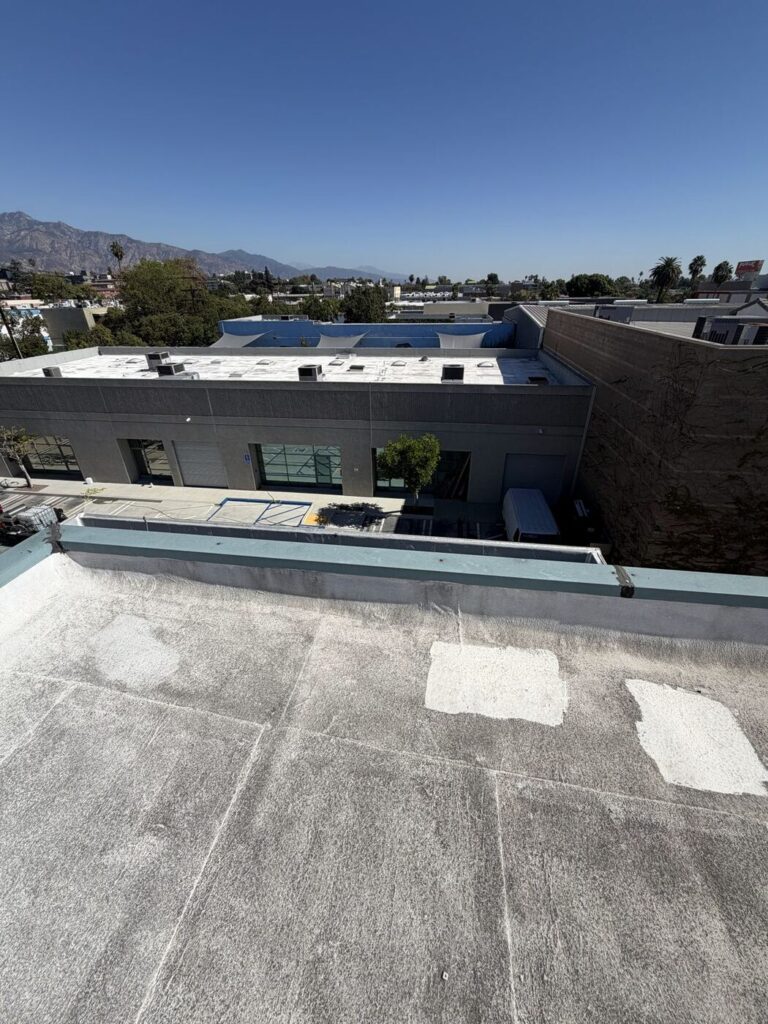
Roof cleaning may require a different method entirely, depending on the roofing material and type of buildup. The same principle applies to building exteriors, painted surfaces, and other areas that may not be suitable for aggressive pressure.
Commercial property maintenance should therefore be planned surface by surface.
The cleaning method matters just as much as the schedule.
A Good Commercial Cleaning Plan Is Based on Conditions
There is no magic number that works for every Southern California business.
A busy retail property may need service every few months. A quieter office building may remain presentable for longer. A restaurant entrance may need frequent attention even when the rest of the property does not.
The best schedule is the one that keeps the property looking maintained before dirt and staining become a problem.
Foothill Pressure Washing works with commercial property owners and managers throughout Southern California to clean driveways, sidewalks, parking areas, building exteriors, and other suitable surfaces. A property-specific assessment can help determine which areas need attention and how often service makes sense.
Instead of waiting for complaints or obvious buildup, build exterior cleaning into the property’s regular maintenance plan. It is easier to maintain a clean commercial property than to recover one that has been neglected for too long.
Related Services From Foothill Pressure Washing
- Commercial building washing: storefronts, offices and building exteriors.
- Parking lot cleaning: overnight hot-water cleaning of lots, stalls and walkways.
- Restaurant exterior cleaning: grease, entries, patios and drive-thru areas.
- Shopping center and retail plaza cleaning: sidewalks, storefronts and common areas.
- All commercial services: the full list for property managers and businesses.
Not sure what your property needs? Request a free estimate or call (909) 323-6122 and we will walk you through it. Foothill Pressure Washing LLC is a licensed contractor (CSLB #1146426) with commercial general liability, commercial auto and workers’ compensation insurance, based in San Dimas.
More from Foothill Pressure Washing
- Pressure Washing vs Soft Washing: Which Is Right for Southern California Homes?
- What Is the Best Way to Clean a Dirty Driveway Before Selling Your Home?
- Why Homeowners Should Pressure Wash Before Installing Holiday Lights
- Pressure Washing Before Painting: Is It Really Necessary?
- Should You Pressure Wash Before Every Season?
- Can Pressure Washing Remove Years of Dirt From Concrete?
Residential services · Commercial services · Areas we serve · Free estimate